
Dimensional Calibration Services

Dimensional Calibration Services from Aldinger


Accurate dimensional measurements are the foundation of quality manufacturing, precision engineering, and regulatory compliance across countless industries. When your measuring instruments drift out of specification, production delays, quality issues, and costly rework follow.

Aldinger technicians can calibrate your equipment for accuracy to one millionth (1/1000000) of an inch on certain equipment.

Dimensional Equipment We Calibrate

  • Angle block

  • Chamfer gauge

  • Inclinometer

  • Level

  • Protractor

  • Sine bar

  • Square

  • Transit / laser level

  • Coordinate Measuring Machine

  • Bore gauge

  • Cylindrical plug gauge

  • Master disc

  • Pi tape

  • Pin gauge

  • Plain taper plug

  • Radius gauge

  • Coating thickness gauge

  • Parallels

  • Roughness tester

  • Surface plate

  • V block

  • 1 2 3 Blocks

  • Cable length

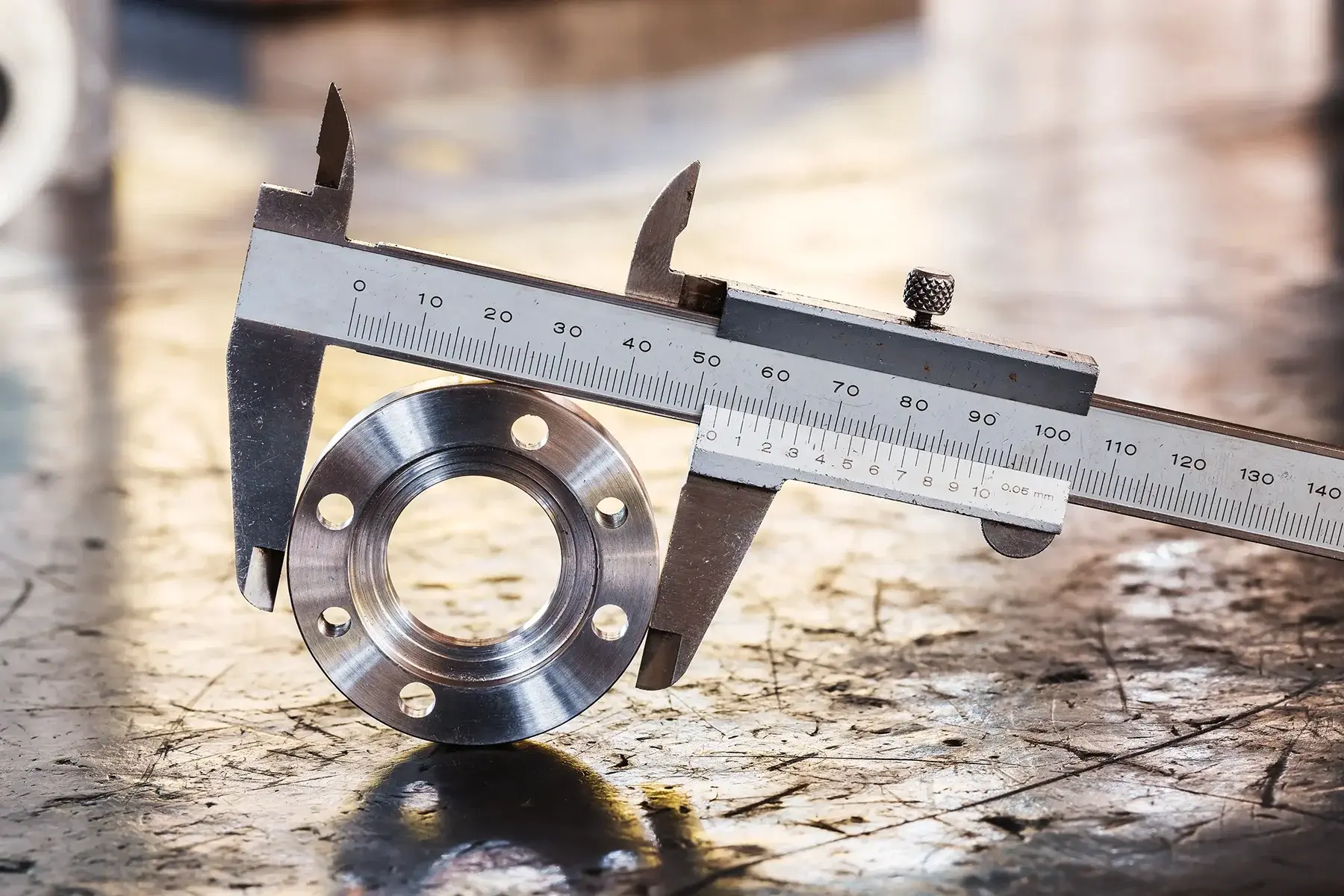
  • Caliper

  • Counter sink gauge

  • Crimpers

  • Depth gauge

  • Feeler gauge

  • Flushness gauge

  • Footage counter

  • Gauge block

  • Glass scale

  • Height gauge

  • Height set masters

  • Indicator

  • Metal detector

  • Micrometers

  • Microscopes

  • Mikemaster

  • Optical comparator

  • Profile projector

  • Ruler

  • Snap gauge

  • Step block

  • String potentiometer

  • Supermicrometer

  • Tape measure

  • Thickness gauge

  • Torque arm

  • Plug gauge

  • Profile gauge

  • Ring gauge

  • Thread & gear wires

Don't see your equipment listed here? Contact us for a custom quote.

What is Dimensional Calibration?


Dimensional calibration is the process of verifying and adjusting measuring instruments to ensure they provide accurate length, width, height, diameter, and angular measurements. This critical service compares your instruments against certified reference standards with known, traceable values to identify any deviations from their specified accuracy ranges.

During the calibration process, technicians carefully examine each instrument's performance across its full measurement range. They document any variations found and make necessary adjustments to restore accuracy. If an instrument cannot be adjusted to meet specifications, detailed reports provide the deviation data needed for your corrective actions or replacement decisions.

The calibration process follows strict protocols established by international standards, ensuring consistency and reliability. Each calibrated instrument receives documentation that traces its accuracy back to the international system of units, providing the measurement traceability that quality systems and regulatory bodies require.

Why Dimensional Calibration Matters for Your Business


Manufacturing Quality and Consistency
Manufacturing operations depend on precise dimensional measurements to maintain product quality and specifications. Even small measurement errors can compound throughout production processes, leading to parts that don't fit properly, assemblies that fail quality checks, and products that don't meet customer expectations. Regular calibration ensures your measuring instruments maintain the accuracy needed for consistent, high-quality output.

Regulatory Compliance and Audits
Industries from aerospace to medical devices operate under strict regulatory frameworks that mandate measurement traceability and calibration records. Quality management standards require organizations to demonstrate that their measuring equipment is properly calibrated and maintained. Failing to maintain calibration records can result in failed audits, production shutdowns, and regulatory penalties.

Cost Control and Risk Management
Uncalibrated instruments create hidden costs throughout your operations. Inaccurate measurements lead to increased scrap rates, rework, warranty claims, and customer complaints. They can also cause unnecessary rejection of good parts, wasting materials and production time. Investment in regular calibration prevents these costly consequences while protecting your reputation for quality.

Measurement Confidence and Decision Making
When measurements are critical to your decisions—whether accepting incoming materials, approving finished products, or troubleshooting process issues—you need confidence in your instruments' accuracy. Calibrated equipment provides the measurement reliability that supports sound business decisions and reduces the risk of costly mistakes.
AdobeStock_63027490__Dimensional__Large-Block